

In a world where flexibility reigns supreme, modular solutions are the superheroes of design and construction. They swoop in to save the day, offering customizable options that adapt to any need like a chameleon at a paint factory. Whether it’s a pop-up café or a spacious office, these modular marvels can be assembled faster than you can say “Where’s my coffee?”
Overview of Modular Solutions
Modular solutions offer a comprehensive approach to design and construction. They promote flexibility, enabling customization for various applications. Businesses select these adaptable models for temporary setups, such as pop-up cafés, where speed is crucial. Quick assembly and disassembly reduce downtime, catering to changing demands in commercial environments.
These systems consist of prefabricated components that simplify the installation process. Each module can be individually tailored, enhancing functionality while maintaining aesthetic appeal. Clients benefit from the variety of configurations, allowing them to create spacious offices or efficient working areas.
Cost-effectiveness remains a hallmark of modular solutions. They reduce labor and material expenses while cutting down on wasted resources. Modular construction often adheres to stringent building codes, ensuring safety and compliance with regulations.
Sustainability features prominently in these systems. Many manufacturers incorporate eco-friendly materials, aligning with modern environmental standards. Energy-efficient modules contribute to lower utility costs, fostering a sustainable approach in various settings.
Overall, modular solutions present an innovative alternative to traditional construction methods. Their rapid deployment, versatility, and cost savings make them increasingly popular across industries. Businesses recognize their potential to enhance productivity while addressing specific needs efficiently.
Benefits of Modular Solutions
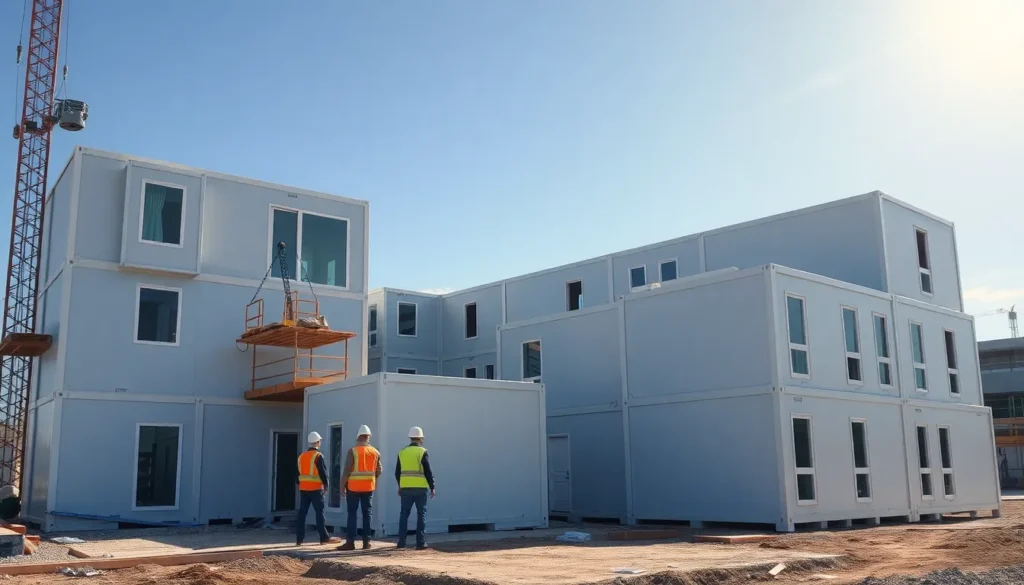
Modular solutions offer numerous advantages in design and construction, enhancing efficiency and accessibility across various applications.
Cost-Effectiveness
Cost-effectiveness stands out as a primary benefit of modular solutions. These systems significantly lower labor costs due to their fast assembly process. Reduced material waste leads to further savings, as prefabricated components minimize excess during installation. Standardized parts create consistency, lowering production costs. Many companies also experience a decrease in overall project timelines, resulting in reduced financing costs. Cost-saving measures do not compromise safety standards, as these systems meet applicable building codes.
Flexibility and Scalability
Flexibility and scalability define modular solutions. Spaces can adapt to changing needs without extensive renovations, making them ideal for temporary setups such as event venues or pop-up retailers. Modular designs allow for easy reconfiguration; this means businesses can expand or contract their spaces depending on demand. The systems also support diverse industries, from healthcare to education. Effortless integration of new modules can accommodate growth without significant downtime. Ultimately, these features enhance productivity, making modular solutions consistently appealing for evolving business requirements.
Applications of Modular Solutions
Modular solutions find extensive applications across various fields, demonstrating their versatility and adaptability.
In Construction Industry
In the construction industry, modular solutions streamline project timelines significantly. Prefabricated components reduce construction time by up to 50%, allowing faster project completion. Contractors utilize these systems to create buildings ranging from residential homes to large commercial spaces quickly and efficiently. The ability to easily reconfigure designs supports diverse architectural needs while meeting safety standards consistently. Builders appreciate the reduction in labor and material costs, contributing to overall budget effectiveness. Urban planners increasingly adopt modular techniques for rapid deployment in urban areas, where space is limited and time-sensitive projects thrive.
In Technology Sector
In the technology sector, modular solutions enhance product development and innovation. Companies leverage modular design principles to create adaptable software and hardware systems. This approach simplifies updates and maintenance, significantly decreasing downtime. Tech firms find that modular solutions support quick responses to market demands, fostering innovation. By integrating standardized components, businesses streamline production and improve quality control. Startups especially benefit from the scalability these solutions offer, allowing them to pivot quickly as they grow. Modular systems also facilitate collaboration among cross-functional teams, promoting a more dynamic and efficient workflow.
Challenges in Implementing Modular Solutions
Modular solutions face several challenges during implementation. Integration often becomes complex due to existing infrastructure limitations. Many organizations encounter difficulties when aligning modular systems with traditional building methods.
Customization requires careful planning, as alterations can complicate initial designs. Developers sometimes struggle with adapting standardized components to unique project specifications. Additionally, the reliance on precise measurements can lead to issues if errors occur during the prefabrication process.
Supply chain constraints also impact the timely delivery of modular components. Delays in manufacturing or transportation can hinder project timelines, which is critical when fast deployment is a priority. Vendors may not always be equipped to handle large-scale demands during peak construction periods.
Regulatory compliance presents another challenge. Adhering to local building codes and regulations is essential, yet navigating these requirements can be time-consuming. Some industries face stricter guidelines, necessitating additional oversight and documentation.
Cost considerations affect implementation as well. Although modular solutions are generally cost-effective, unexpected expenses can arise. Budget overruns may occur due to design changes or last-minute adjustments, impacting overall financial viability.
Lastly, a skills gap exists in the workforce concerning modular construction techniques. Training employees on new methods requires time and resources, complicating the adoption of modular solutions. Investing in professional development becomes necessary to ensure success in transitioning to these systems.
Addressing these challenges involves strategic planning, effective communication, and ongoing collaboration among stakeholders.
Future Trends in Modular Solutions
Emerging trends in modular solutions suggest a significant shift toward sustainability and eco-friendliness. This focus aims to minimize waste during production and assembly, contributing to a reduced environmental footprint. Smart technology integration also gains momentum, allowing for automation in modular construction processes. Such advancements lead to improved efficiency and ease of use for architects and builders.
Customization continues to play a critical role, with designs becoming more tailored to meet specific client needs. As businesses seek unique solutions, the demand for highly adaptable components increases. Rapid advancements in materials science enhance durability, offering options that withstand various climatic conditions.
Resilience remains a priority, especially in areas prone to natural disasters. Modular buildings that incorporate robust designs can offer increased safety and functionality during emergencies. Moreover, advancements in prefabrication techniques enable quicker response times in disaster-stricken regions, allowing for rapid deployment of shelters and essential facilities.
Economic factors influence future trends as well. Increasing material prices drive manufacturers to focus on efficiency in production while maintaining cost-effectiveness. This approach encourages the use of standardized components, lowering overall production costs and promoting consistency.
Collaboration between industries also shapes the future landscape. As sectors such as construction and technology converge, innovative solutions emerge, fostering new business models. This synergy allows for continuous improvement in modular practices.
Overall, these evolving trends indicate a promising future for modular solutions. The combination of sustainability, customization, resilience, and industry collaboration positions modular solutions at the forefront of construction innovation.
Modular solutions are transforming the landscape of design and construction. Their inherent flexibility and scalability make them ideal for diverse applications across industries. As businesses seek rapid deployment and cost-effective alternatives, modular systems provide a viable path forward.
The emphasis on sustainability and smart technology further enhances their appeal, ensuring they meet modern demands while minimizing environmental impact. By addressing challenges through strategic planning and collaboration, organizations can fully leverage the benefits of modular solutions.
As these innovative approaches continue to evolve, they promise to reshape how spaces are created and utilized, offering a future where adaptability and efficiency are paramount.


