

In a world where first impressions are made in mere seconds, digital design trends are the secret sauce that can make or break a brand. It’s like dressing your website in a snazzy outfit for a first date—if it’s a fashion faux pas, they might just swipe left. Keeping up with the latest trends isn’t just a fun hobby; it’s essential for standing out in a crowded digital marketplace.
Overview Of Digital Design Trends
Digital design trends shape user experiences and brand identities. Recent surveys show 38% of users stop engaging with websites due to unattractive layout. Embracing minimalism, designers focus on simplicity and functionality. Bold typography captures attention, ensuring messages stand out.
Color palettes evolve continuously, impacting mood and branding. Designers often apply gradients for depth, moving away from flat designs. Illustrations and animations add personality, fostering interactions and engagement. Mobile-first design remains essential, addressing the increasing use of smartphones for browsing.
User-centric design emphasizes accessibility and inclusivity. According to the World Health Organization, over 1 billion people have some form of disability. Implementing features like voice navigation enhances usability. As sustainability gains prominence, eco-friendly design practices emerge, reflecting social responsibility.
Trends in 3D design and virtual reality revolutionize user experiences. These elements create immersive environments and encourage exploration. Furthermore, data-driven design leverages analytics to inform decisions, leading to improved user satisfaction. Keeping pace with these trends positions companies to succeed in the digital arena.
Key Trends In 2023
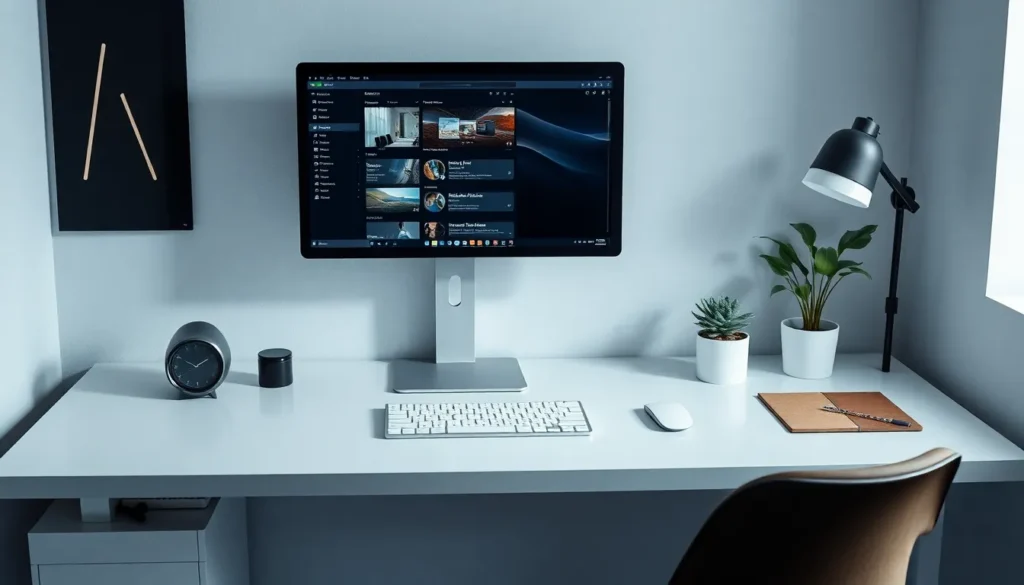
Digital design in 2023 emphasizes user experience and engagement. Key trends reflect current preferences and technologies.
Minimalist Design
Minimalist design highlights simplicity and clarity in user interfaces. Clean lines and ample white space guide users’ focus. Effective use of typography enhances readability. The reduction of clutter fosters a seamless interaction. Brands adopting this approach see a 30% increase in user engagement. Functionality pairs with aesthetics to create memorable experiences.
Dark Mode Interfaces
Dark mode interfaces gain popularity for their visual appeal and reduced eye strain. Users appreciate comfort during extended browsing sessions. With a rise of 60% in apps embracing this trend, brands benefit from enhanced usability. This design choice also prolongs battery life on devices. Accessibility improves, catering to users sensitive to bright screens. Adoption of dark mode contributes to modern aesthetic preferences.
Sustainable Design Practices
Sustainable design practices emerge as a priority for brands in 2023. Users increasingly seek eco-friendly options, influencing purchasing decisions. Employing recycled materials and energy-efficient processes fosters brand loyalty. Approximately 75% of consumers prefer brands committed to sustainability. Innovative designs showcase environmentally responsible choices, aligning with consumer values. Implementing sustainable practices positions brands favorably in the competitive market.
The Role Of Technology
Technology plays a pivotal role in shaping digital design trends, influencing how brands engage with their audiences. Innovations in various technological fields enhance user experiences and the overall effectiveness of design.
AI In Digital Design
AI significantly impacts digital design by automating repetitive tasks and offering personalized user experiences. Algorithms analyze user behavior, allowing designers to create tailored interfaces. For example, predictive analytics can suggest content that resonates with individual preferences. The integration of AI tools enhances efficiency, enabling quicker iterations and more refined outcomes. In fact, companies utilizing AI in design have reported a 30% increase in user engagement, highlighting its importance in the design process.
Augmented Reality Applications
Augmented reality brings a new dimension to digital design, allowing users to interact with products virtually. This technology superimposes digital elements into real-world environments, offering immersive experiences. Retailers leverage AR to enable customers to visualize products in their homes before making a purchase. Reports indicate that 70% of consumers find AR experiences engaging, making them more likely to complete transactions. By adopting AR applications, brands enhance their visibility and create unique customer interactions, making this technology essential in modern design strategies.
User Experience And Accessibility
User experience remains a crucial aspect of digital design. Strong user experiences cultivate engagement and satisfaction. Incorporating accessibility into design ensures inclusivity, enabling the over 1 billion individuals with disabilities to navigate effectively. Voice navigation caters to this demographic, enhancing web interactions.
Investing in user-centric design reflects a commitment to accessibility. Research shows that 38% of users disengage with unattractive layouts, emphasizing the need for appealing designs. Minimalism and bold typography create inviting interfaces, leading to a 30% increase in user engagement. These design principles empower brands to connect with their audience.
Utilizing dark mode interfaces has surged in popularity, with a 60% rise in adoption among apps. This trend not only enhances visual comfort but also optimizes battery life, addressing user preferences. Sustainable design practices resonate with consumers, as 75% favor brands committed to eco-friendly options, amplifying brand loyalty.
Technology shapes user experience by integrating AI and augmented reality (AR). AI personalizes interactions and automates tasks, resulting in a 30% boost in user engagement for companies employing this technology. AR further enriches user experiences, allowing individuals to visualize products in real-world contexts. Approximately 70% of consumers find AR engaging, increasing the likelihood of transaction completion.
Emphasizing accessibility alongside modern design aesthetics creates a holistic approach to user experience. Decisions grounded in user needs foster deeper connections and bolster brand reputation in the competitive digital landscape. Prioritizing these elements will enhance interaction and satisfaction, driving long-term success.


